
Glenview Previous Resident Sources
Different eras leave different evidence. Start with the newest reliable parcel key, then move to sources that overlap the target date.
| Source | Years It Covers | Where Held | What It Shows |
|---|---|---|---|
| Cook County CRS | Current display through 2026-08-06; sample 2001–2024 | Cook County Clerk | Indexed instruments and party roles |
| GPL telephone books | 1906–present holdings | Glenview Public Library | Dated name, address, phone clues |
| Haines directories | 1967–present holdings | Glenview Public Library | North-suburban listings |
| Regional digital books | Listed years 1924–1959 | Skokie digital collection | Browsable Glenview-area pages |
| Federal census | Released under 72-year rule | NARA and authorized databases | Household snapshot |
| Glenview permits | Current portal; historic range unstated | Village/OnLama/FOIA | Work, date, application clues |
A modern house history begins with the parcel and CRS. For earlier past residents, add telephone books, newspapers, census schedules, maps, and archival help. Never imply that a collection is complete merely because its date range overlaps the question.
One Glenview PIN, Many Records
The 2500 W Lake Avenue sample returned several address/PIN matches, then 16 instruments on the primary PIN from 2001 through 2024. This is a useful method demonstration without publishing party names. A list may contain deeds, mortgages, releases, easements, affidavits, and restrictions.
The sample PIN timeline is shown below.
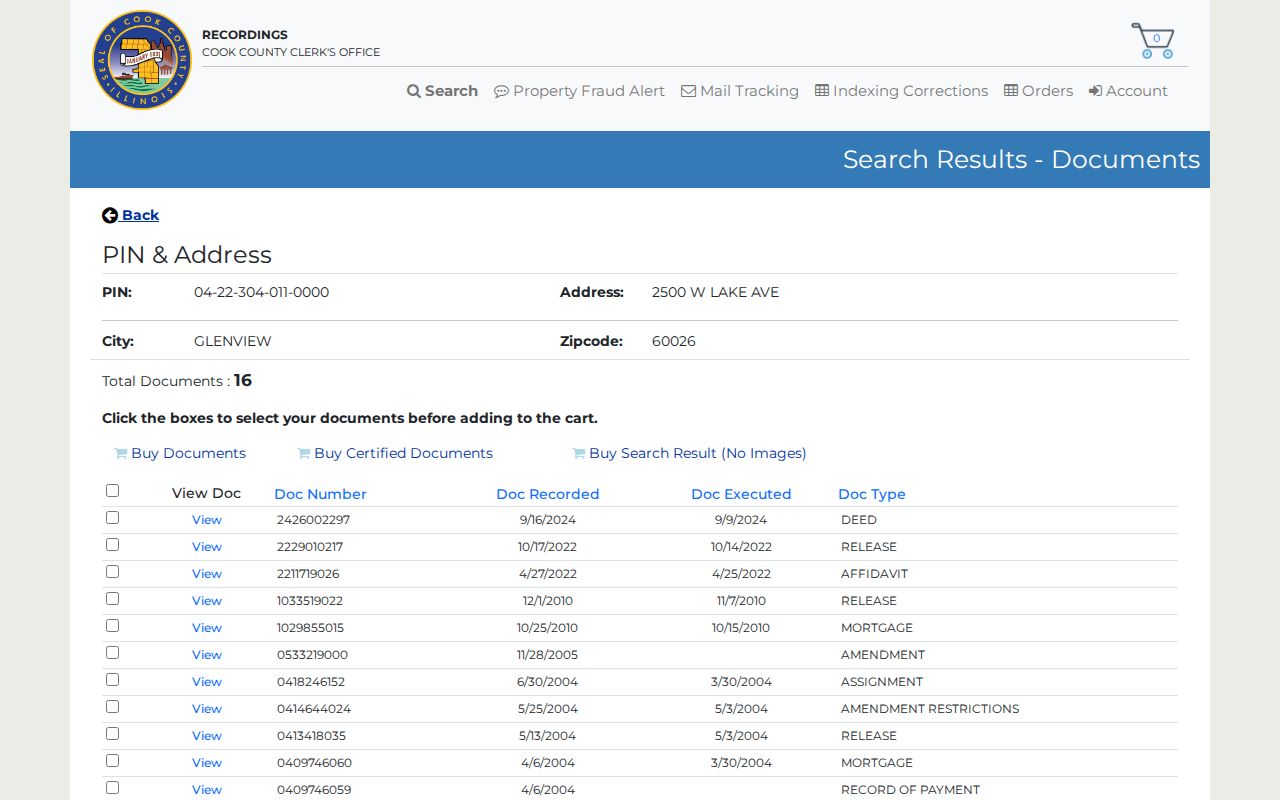
The image shows why document type and date must be read before treating an entry as an ownership change.
Trace Cook County Deeds Backward
Begin with the current PIN, legal description, subdivision, lot, and related parcels. In CRS, locate the newest deed-like instrument. The grantor transfers an interest; the grantee receives it. Then search the seller as an earlier grantee with a date ending before that sale.
- Confirm the intended PIN in CookViewer and county property portals.
- Open the newest deed or transfer-like record in CRS.
- Record document number, dates, roles, and legal description.
- Search the grantor as an earlier grantee and repeat.
- Ask the Clerk or archives for older, unindexed deed books.
- Grantor / grantee
- The party giving an interest and the party receiving it.
- Chain of title
- The dated sequence of transfers affecting the same land.
- Legal description
- Subdivision, lot, block, or survey language that can outlast a street address.
Filter Glenview Recording Roles
The CRS Advanced Search provides grantor/grantee role, document type, recorded dates, trust, subdivision, and legal-description controls. Use an end date before the known transfer when stepping backward. Search name variants and trust or entity forms exactly as the instrument presents them.
The official advanced controls appear below.
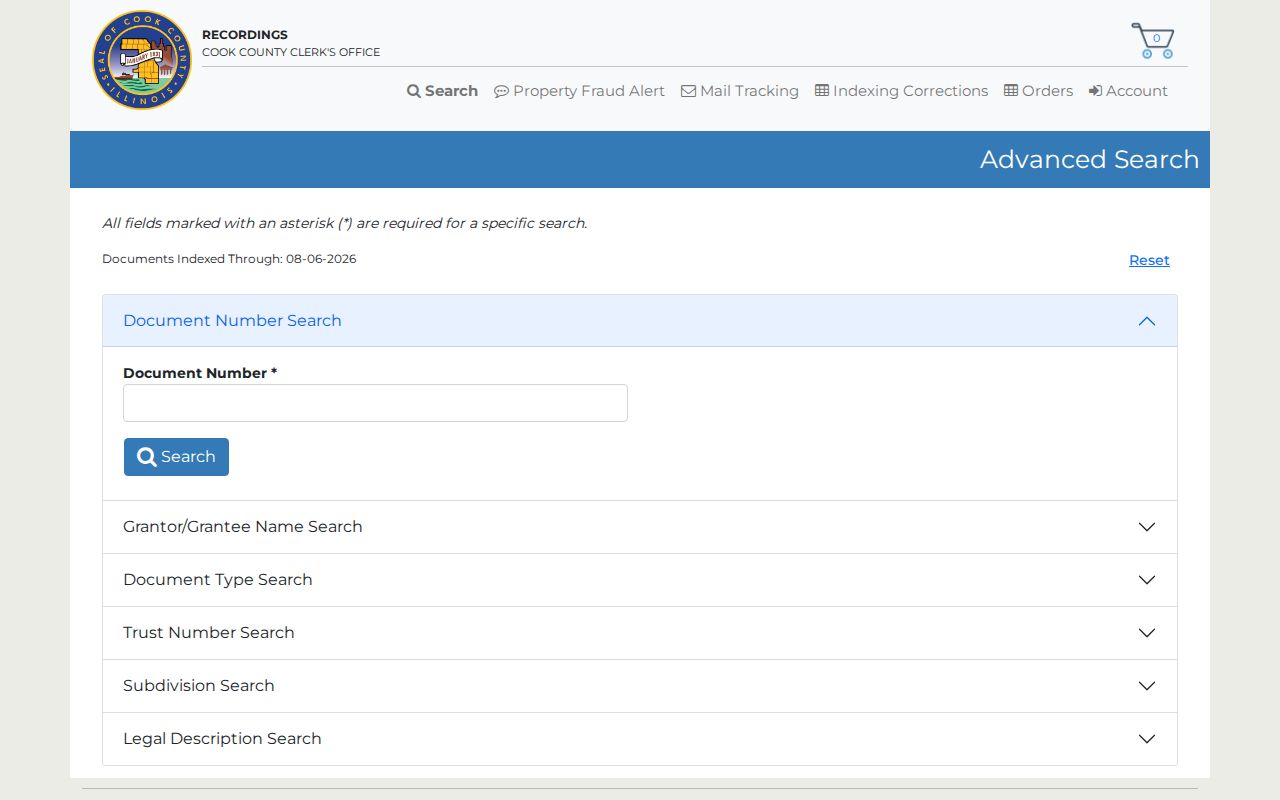
When street language fails, section, township, range, subdivision, lot, block, and part-lot fields can reconnect an older instrument to modern Glenview geography.
The sample deed detail illustrates that structure.
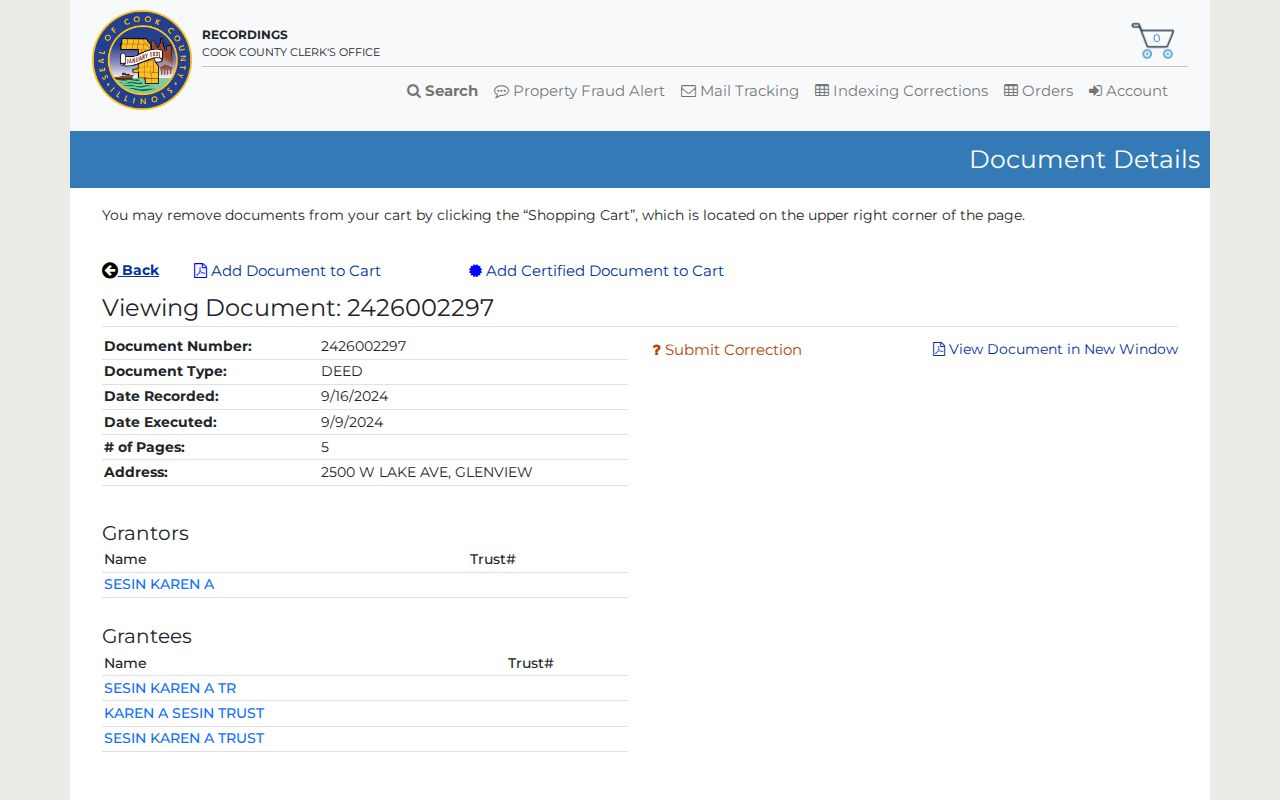
Its related-PIN and legal fields are stronger continuity clues than address text alone.
Build a Glenview House History
The Library of Congress house-history guide recommends combining deeds, directories, maps, photographs, floor plans, and local archives. Glenview researchers can add GPL's local-history room and the History Center's Hibbard Library, which holds documents, photographs, maps, newspapers, census material, and obituaries.
The national guide appears below.
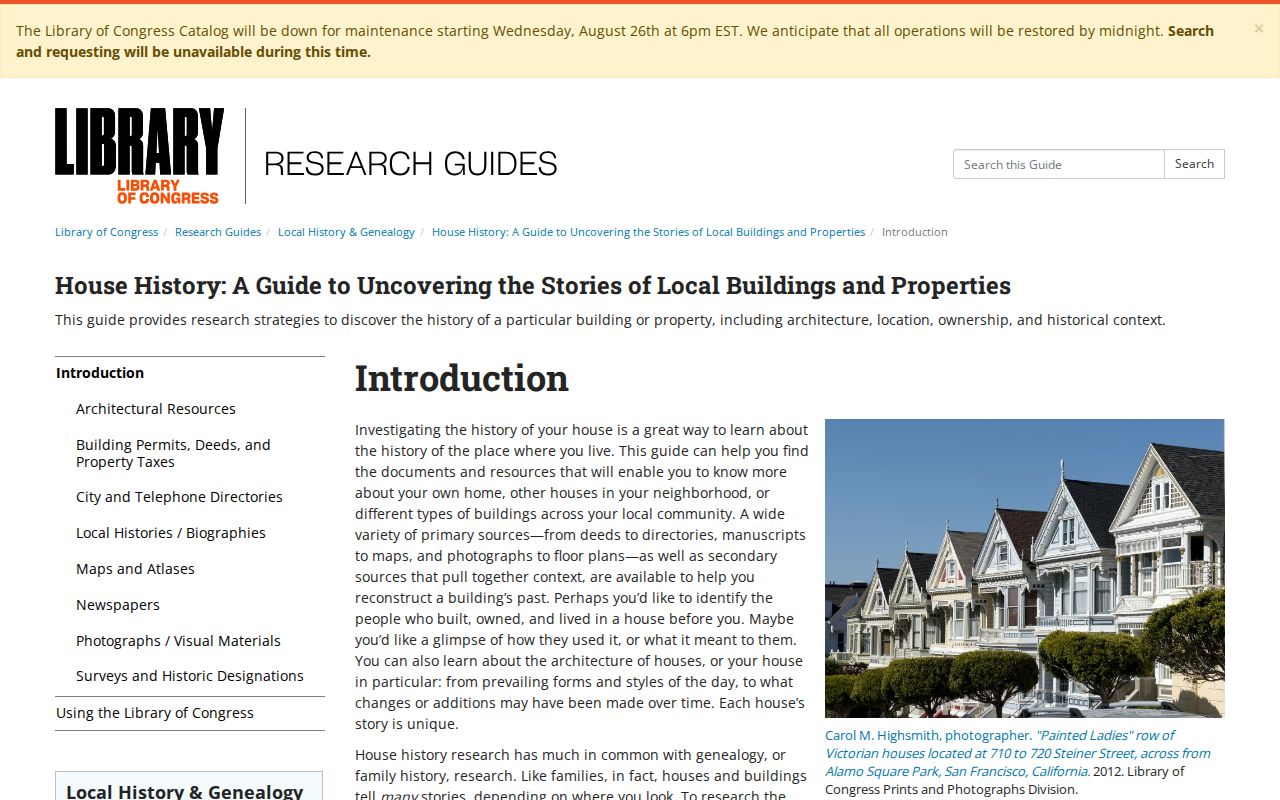
It supports a fallback chain where no complete local reverse directory or Sanborn viewer is online.
The Glen Broke Address Continuity
Curtiss Field was dedicated in 1929, the Navy formally moved in during 1937, and Naval Air Station Glenview closed in 1995. Property transferred in 1998, followed by The Glen redevelopment across a site described by the History Center as 1,121 acres. Military buildings, runways, remediation, subdivisions, and new streets created a real break between old telephone-book geography and modern parcels.
For this part of Glenview, previous residents research may pass through History Center oral histories, Village planning archives, CookViewer historic imagery, county parcel files, federal records, and current permits. Do not force an old base address onto a new parcel without legal or map evidence.
Glenview Reverse Index Gaps
No stable official Glenview-specific public criss-cross index or complete Sanborn viewer was confirmed. Preserve that negative finding. GPL has strong telephone-book and Haines holdings, regional digital books supply selected years, and regional worksheets identify possible Sanborn dates, but sheet coverage must be verified.
Ask GPL or Hibbard staff for a specific address, year, title, newspaper issue, map, or finding aid. Clerk copy orders can be placed through available purchase and mail routes. Village permit files may be requested through OnLama, phone, in person, or targeted FOIA. State Archives, IRAD, regional libraries, and NARA are further fallbacks.
A library request works best when it names the address exactly as it appeared, a narrow span of years, and the kind of source sought. Ask whether a title has a street index, abbreviation key, householder index, or missing issue. If the shelf has no reverse arrangement, search the surname in the nearest telephone book, then use the printed address to move through later and earlier volumes. Save the title, issue date, page, and image or call number.
Maps and legal descriptions provide a second bridge. CookViewer's historic parcel archive begins in 2000, and aerial imagery extends to 1998. Earlier recorded instruments may identify the subdivision, section, township, range, lot, or block. Match those terms across CRS, CookViewer, and the Assessor before deciding that an old street line and a current parcel are the same place. Similar street wording alone is not enough.
Permits can add building dates and changes without naming every household. Glenview's Development Center covers additions, remodels, demolition, roofs, pools, decks, and other work, while OnLama supplies public search fields and current case controls. A permit applicant or contractor has a dated project role. Check status, inspections, and final records before saying the work occurred, and use a focused Village FOIA request when the online record is incomplete.
The National Archives directory research advice explains how city directories can help identify census geography.
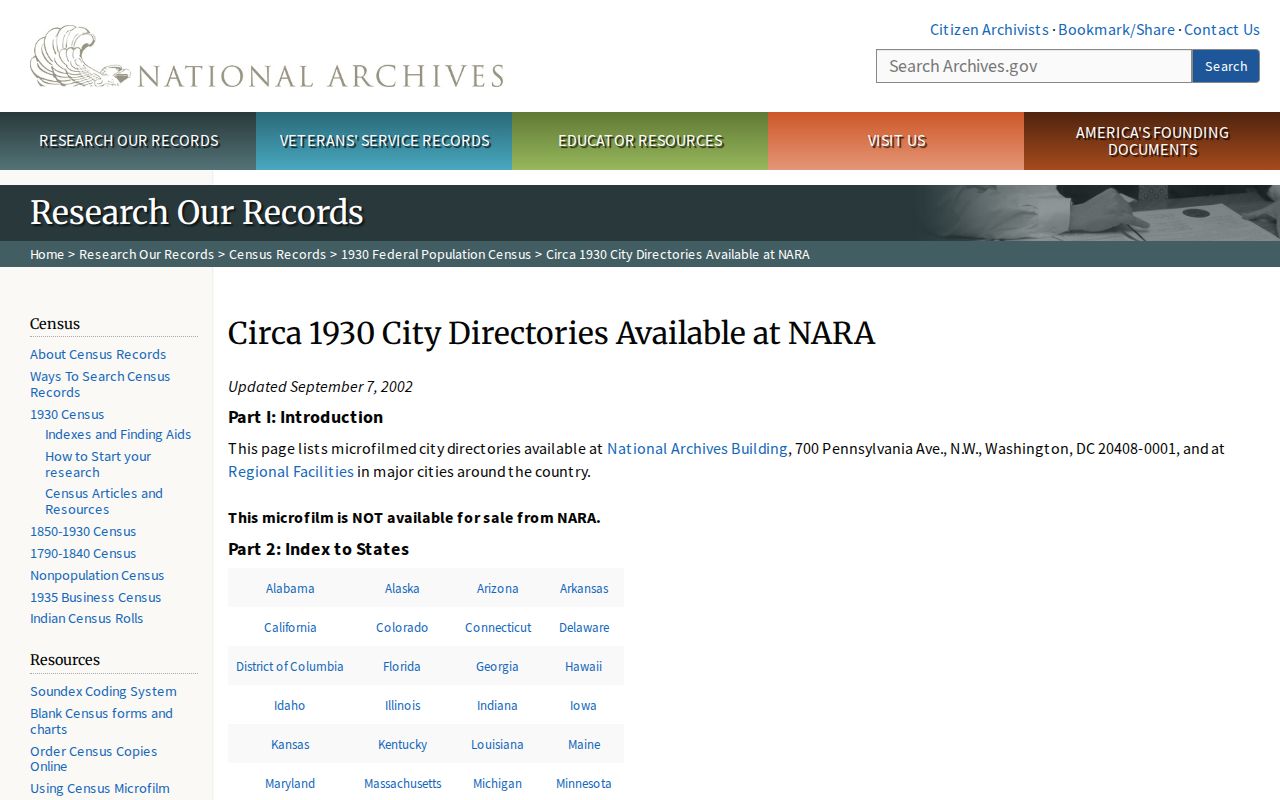
That pairing is especially useful when an old Glenview address has no direct modern match.
Glenview Past Household Evidence
Owners are only part of the story. A dated telephone book can identify a listing, while a released census schedule can show a household snapshot. Start with a directory year, locate the nearest released census, confirm its enumeration district and address context, then compare names, ages, relationships, and dates. An enumeration district is the area assigned to one census taker.
- Record the directory title, year, page, name, and exact address.
- Find the matching census geography and original schedule.
- Compare household members without assuming spelling is exact.
- Check the next directory issue for continuity or change.
- Use newspapers, obituaries, probate, and deeds to explain the transition.
GPL's obituary index covers local newspaper or article leads from 1849 through 1995, while Glenview-area newspapers are described from 1928 onward. These are leads, not certified death records. The historical collections are covered on the Glenview city directory page.
Dates should be compared as a sequence, not blended into one claim. Record when USPS normalization was checked, the parcel tax year, the newest recorded instrument date, and the year of the oldest directory or newspaper hit. Add a building or landmark date when the archive supports it. This four-date approach reveals when a modern parcel and postal line are being compared with an older Glenview household source.
Access routes also shift with the era. Use CRS online for indexed instruments, the Clerk's downtown or mail-copy process for items that cannot be bought online, and the recording helpdesk for a file problem. The Cook County Historic Archives page says its public walk-in service is closed, but remote reference is available by email. GPL and the History Center fill the directory, newspaper, map, photograph, and oral-history gaps through staff help or a research visit.
Write the conclusion about previous residents in dated parts. A deed may show that a grantee received an interest, a directory may place a listed name at the address in one issue, and a census may show a household in its released year. Those facts can support a past-resident trail when names, dates, and geography agree, but no one source proves the whole span. Keep mortgages, releases, easements, restrictions, and affidavits in the timeline without treating each as a transfer. If the legal description or related PIN changes, pause and map the land before continuing backward.
When a year remains blank, record the gap and the search date. Missing sources do not disprove previous residents. A missing volume, sealed file, unindexed deed, or changed address is not proof that no one lived there.
Lawful use. Research Glenview previous residents for house history, genealogy, estate questions, and personal curiosity. Never harass, track, or harm a living person.