
Walk a Glenview Street Record
A Glenview street directory entry is a chain, not a roster. Preserve the number, directional, unit, suffix, city, and ZIP. CookViewer then resolves the parcel or parcels. A PIN links the map to tax, assessment, and recorded-document systems.
Ownership and occupancy differ. The Assessor describes property. Clerk recordings show dated instruments. A telephone book may associate a name with an address. Illinois voter lookup is a self-check, not a street browse.
- Normalize the full address with USPS.
- Find all parcel matches in CookViewer.
- Open Assessor and Property Information records.
- Search each PIN in Cook County CRS.
- Check dated library directories for old associations.
Search Glenview Parcels Precisely
The Cook County Assessor search requires house number, street name, city, and CAPTCHA. Direction and unit are separate, while the street field omits suffixes.
| Field | Required | Use |
|---|---|---|
| House Number | Yes | Situs number |
| Direction | No | Compass choice |
| Unit | No | Multi-unit sites |
| Street Name | Yes | Omit suffix |
| City | Yes | Glenview where supported |
The property detail shows values, characteristics, permits, exemptions, divisions, consolidations, and recent sales.
The official categories appear below.
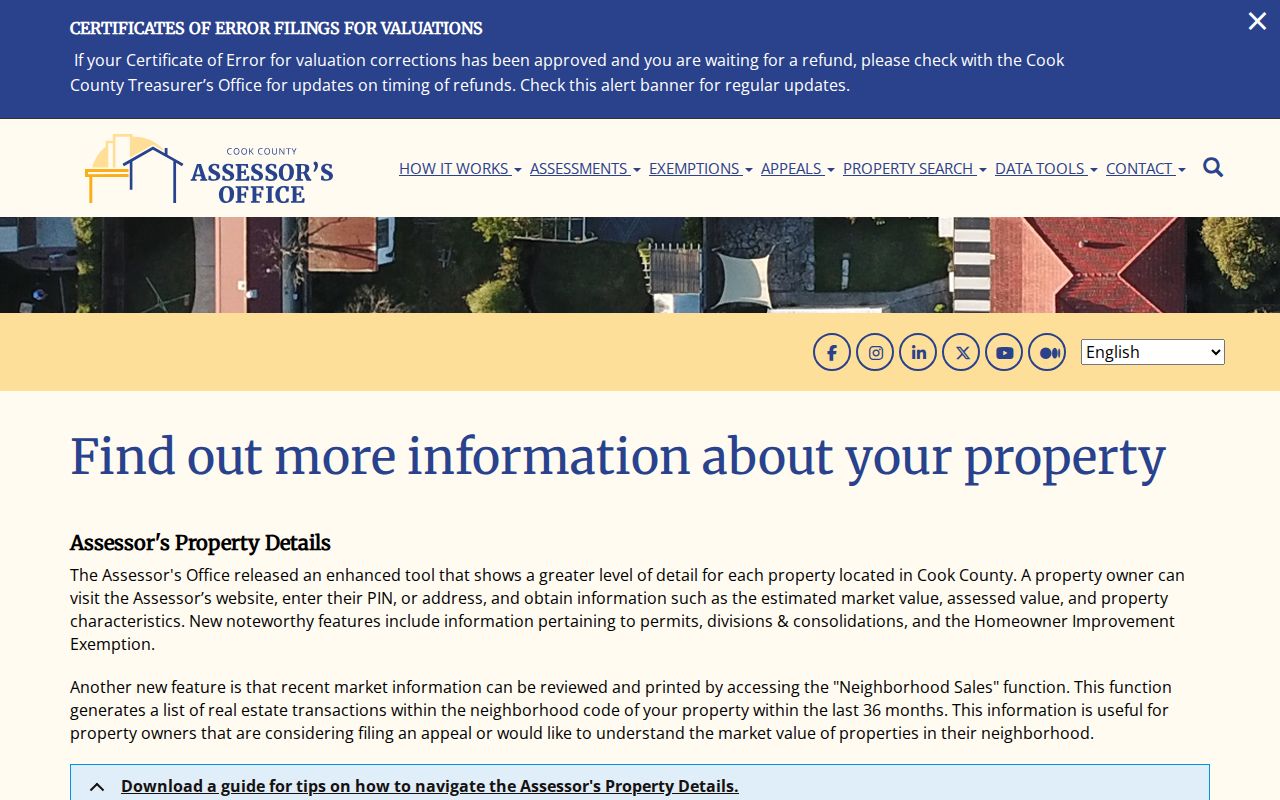
They describe a parcel but do not prove residence.
Map Glenview Streets in CookViewer
Cook County's parcel layer supplies PIN, tax year, address, ZIP, acreage, subdivision, lot, block, and geometry. CookViewer adds districts, zoning, imagery, nearby selection, reports, and exports. One displayed address can return several PINs, so retain all matches until shapes and legal descriptions resolve the parcel.
The official layer appears below.
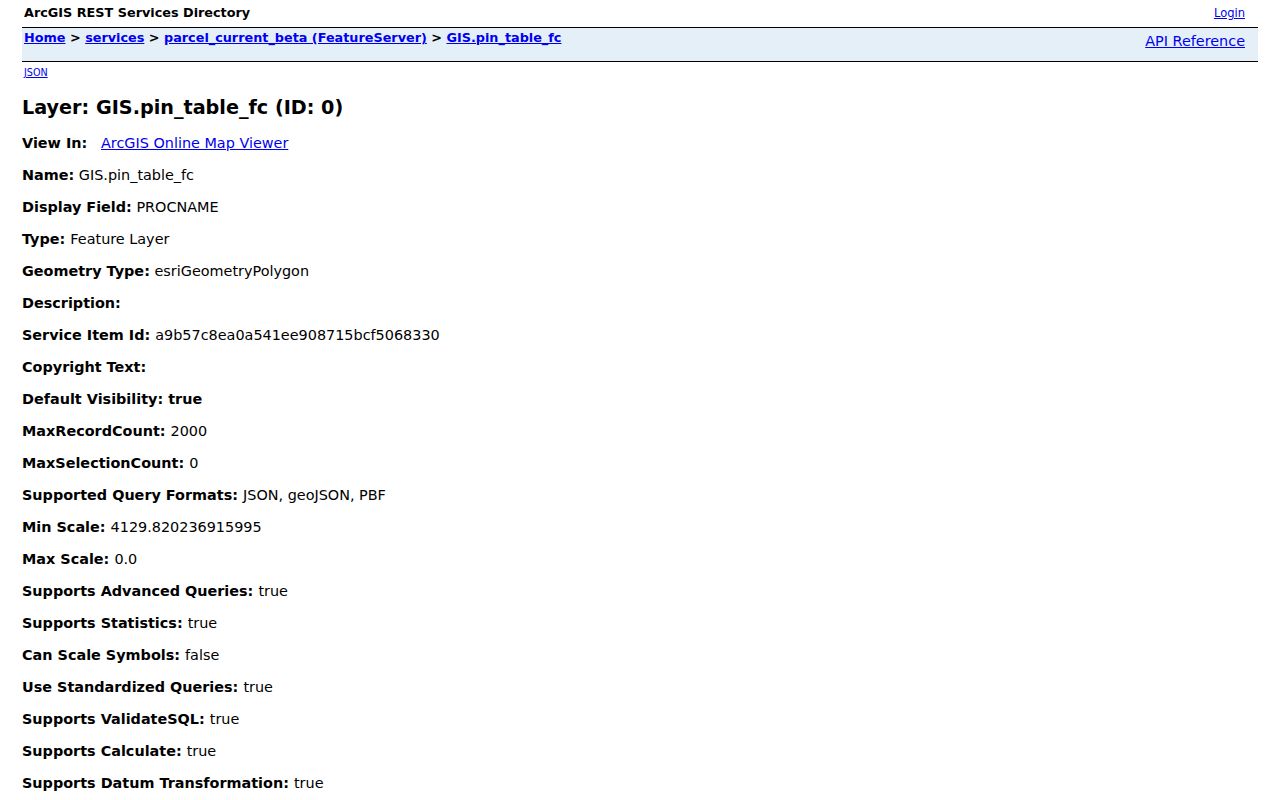
Record the layer date and radius. Nearby means map distance, not people.
PIN first. CRS says address text is informational, so verify the parcel and legal description before reading its instruments.
Glenview Records Keyed by Street
Each source answers a narrow question. Keep its date, role, and limit.
| Record Set | Keeper | What It Shows | Access |
|---|---|---|---|
| Assessment | Cook County Assessor | PIN, class, characteristics | Online; office/phone |
| Tax/property | Property Information | Situs, mail, bills | Online |
| Parcel GIS | Cook County GIS | Geometry, districts, imagery | Map/report/export |
| Instruments | Cook County Clerk | Deeds and filings | CRS/copies |
| Permits | Village of Glenview | Type, status, roles | OnLama/FOIA |
| Directories | GPL/Hibbard | Dated listings | Library/digital |
Property Information separates physical location from tax-bill mail.
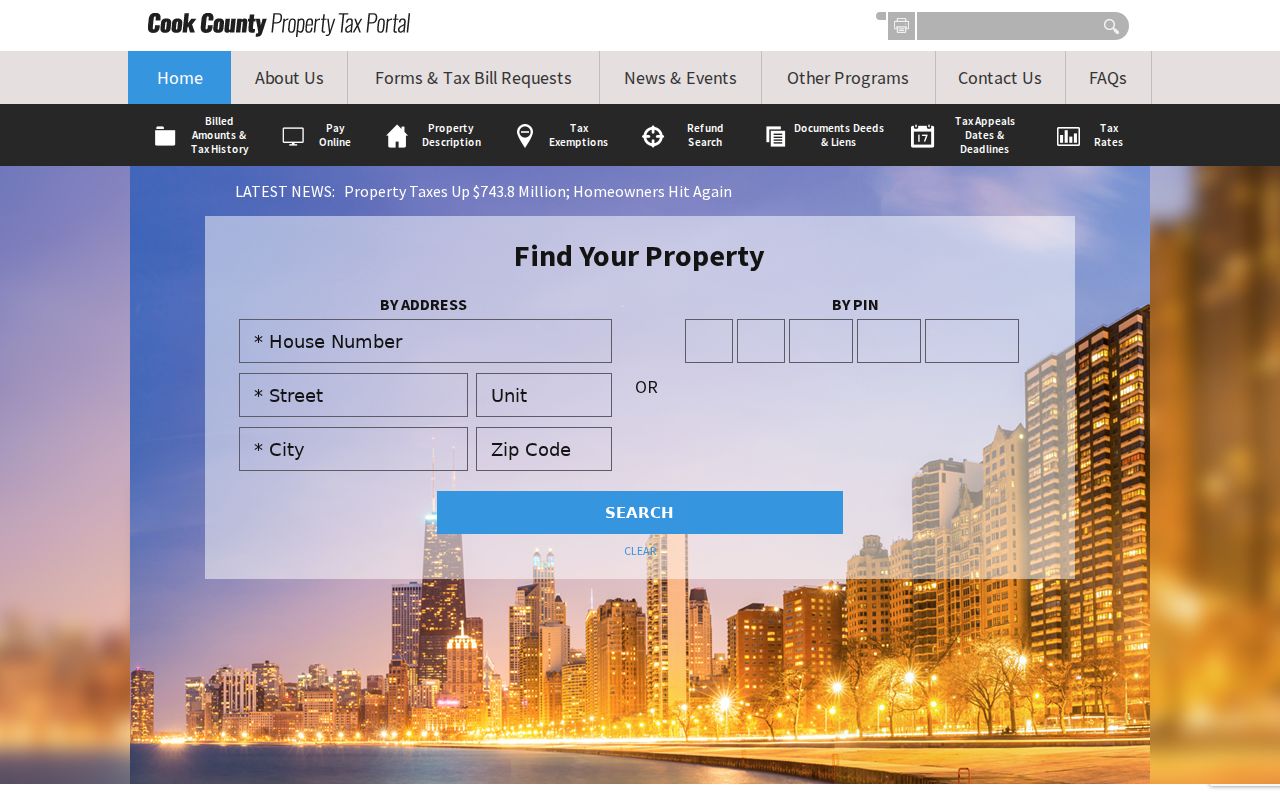
A mailing recipient is not automatically an occupant.
Read Glenview Deeds by PIN
The Cook County CRS accepts dashed or 14-digit PINs. A sample Glenview PIN held 16 instruments from 2001 through 2024. Mortgages, releases, easements, restrictions, and deeds have different meanings.
The official search is pictured below.
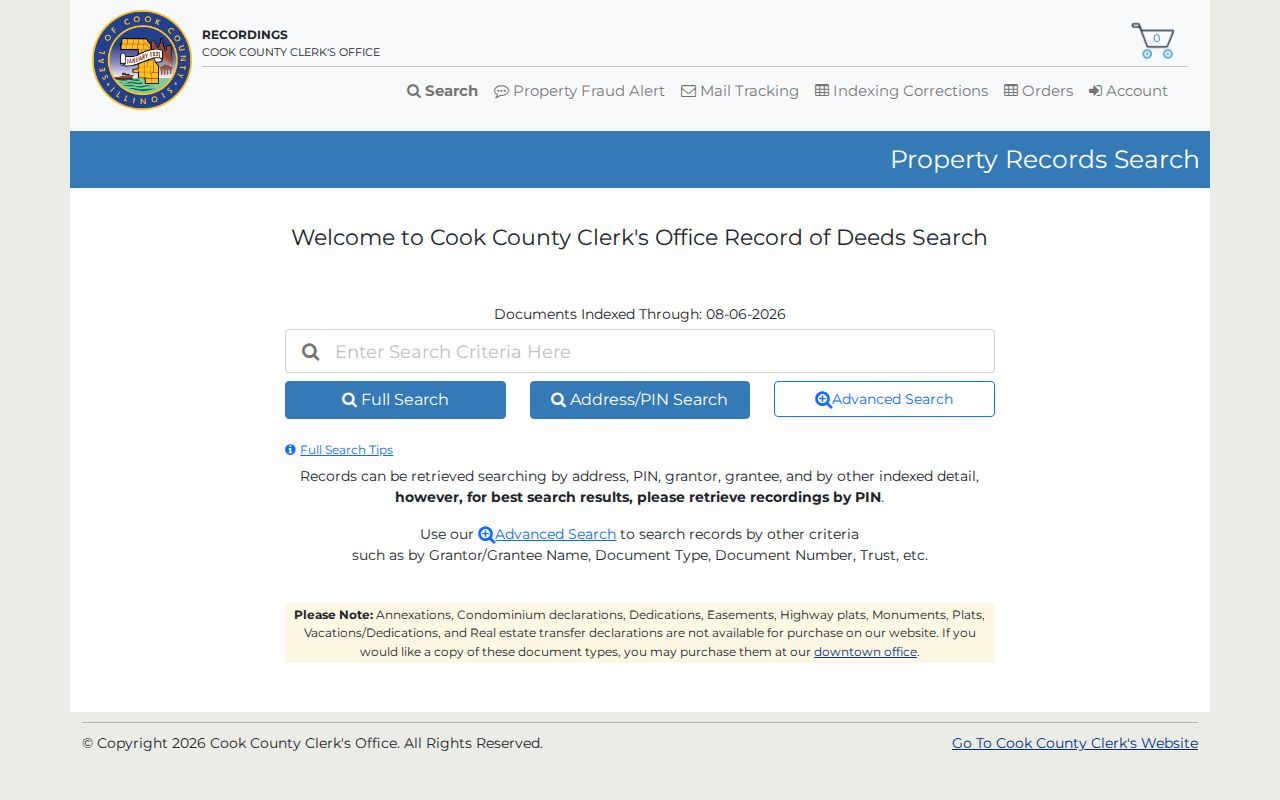
Record number, dates, type, legal description, and related PINs. Some plats need a downtown purchase or Clerk copy order.
- Parcel
- A mapped tract with a PIN.
- Situs address
- The physical property location.
- Plat
- A recorded land map.
- Criss-cross directory
- A directory arranged by address or phone.
Glenview Permits Follow Addresses
The Development Center covers construction, demolition, inspections, and permits. OnLama searches address, reference code, permit, license, case, contractor, or license holder. Public output includes filters and export, while advanced searching needs an account and CSV export is limited to 200 rows.
The official access page appears below.
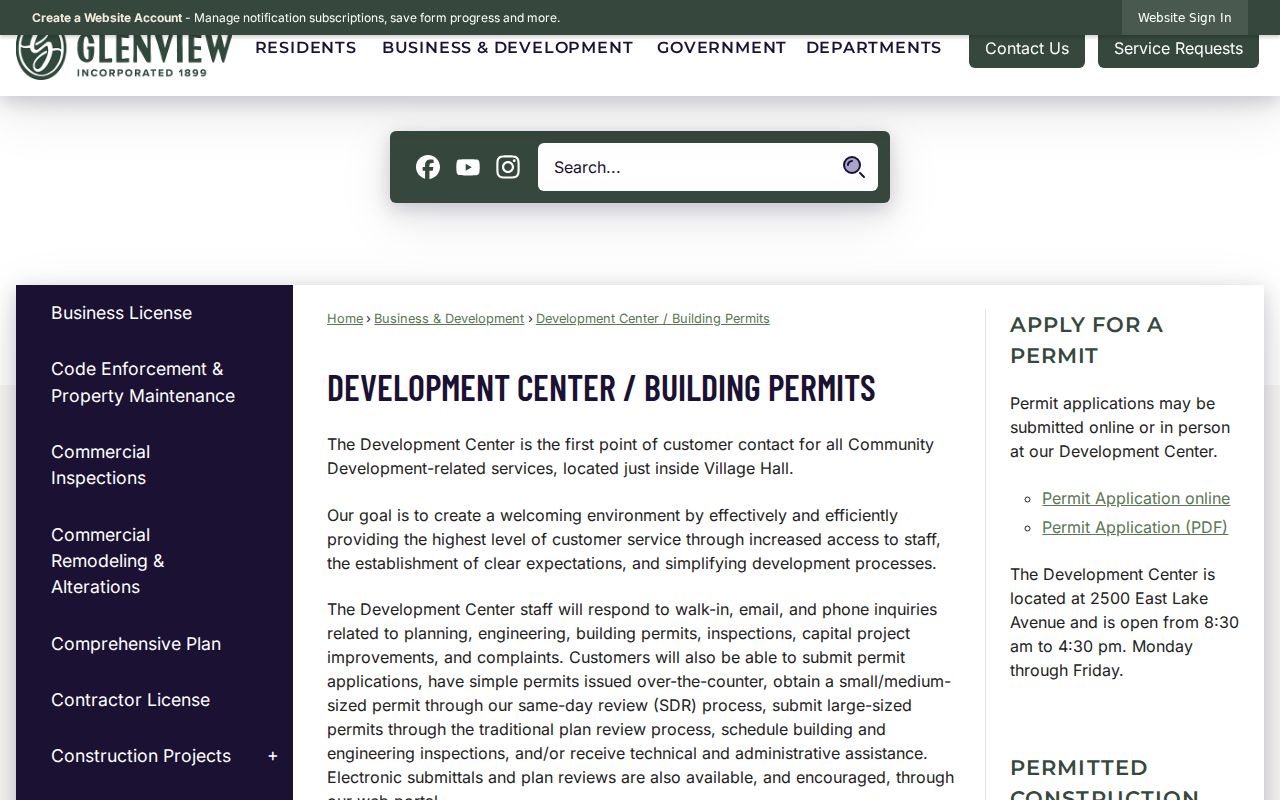
A permit can date construction, an addition, demolition, or an inspection request. It can also name a contractor or applicant in that limited role. Neither role proves title or occupancy, and an application date does not prove that work was completed. Read the type and status before adding it to a Glenview street directory timeline.
An applicant is not an occupant by default. Use Glenview FOIA, phone, mail, or in-person service for missing files. The Development Center numbers documented in the research are 847-904-4300 and 847-904-4330, with inspection scheduling at 847-904-4320. Ask for permit or case numbers and dates, not a broad dossier.
Dated Glenview Street Listings
The Glenview Public Library reports telephone books from 1906 onward and Haines directories from 1967 onward. Regional digital books cover listed years from 1924 through 1959. Attach title, year, and page to each hit.
No stable official Glenview criss-cross index or citywide renumbering table was confirmed. Bridge old forms with maps, cross streets, lot, subdivision, legal description, and imagery. The Glenview city directory collections page covers the shelf.
Note: A dated listing is historical evidence, not current occupancy.
Four Glenview Address Meanings
The same property can carry several address forms. A situs address marks the physical parcel. A mailing address tells the county where to send a tax bill. A legal description identifies land through subdivision, lot, block, or survey terms. A historical directory preserves the street text printed at one date. Do not silently substitute one for another.
ZIP and municipal borders also differ. Glenview postal last lines have shifted between 60025 and 60026, while a postal ZIP is not a Village boundary. Keep the exact historical last line in a citation, then add the current USPS form as a separate field. That small discipline prevents a modern street directory search from “correcting” a valid old source.
Portal formatting matters as well. The Assessor tells users to omit the suffix, Property Information accepts house number, street, unit, city, and optional ZIP, and CRS recommends PIN for its best result. USPS expects a deliverable address. Save the query exactly as entered in each system. A failure in one portal may reflect field rules, not the absence of a Glenview record.
Legal land terms can bridge the gap. If a deed predates a familiar street form, search CRS Advanced Search by subdivision short name, section, township, range, lot, block, or part-lot. Compare the hit with CookViewer geometry and the Assessor record. This method is slower than typing an address, but it protects the street directory from joining unrelated parcels that merely share similar wording.
Glenview Street Search Fallbacks
Assessor branches, Clerk recording operations, Village Hall, Development Center, GPL, and the History Center offer phone or in-person help. Older deeds may require archives work. Libraries supply maps, photos, newspapers, and oral histories.
The Village's online FOIA route is NextRequest. A useful request gives the Glenview address, a narrow date span, and a category such as permit, inspection, planning case, or complaint. Broad requests for every person tied to a street are less precise and may sweep in exempt data. The normal Illinois FOIA response period is five working days, subject to statutory extensions and exemptions.
Mail, fax, and email serve copy orders and focused public requests. Clerk recording copies can be ordered through the methods on the recordings site, while certain excluded plats or declarations may require downtown service. GPL's Reference Desk and Hibbard Library can answer a remote question when it names a directory title, year, address, newspaper, or map.
State Archives, IRAD, township assessment sources, and regional libraries provide further routes. Keep a research log with the portal URL, query form, date checked, result count, and whether the item was an index, map, image, or archival finding aid. Live Glenview and Cook County systems change, so those details make a street record reproducible.
The county offices also support counter and phone research when a web form will not accept the address. The Assessor has service at 118 North Clark Street in Chicago and a Skokie branch at 5600 West Old Orchard Road. Clerk map staff can help with map and legal-description questions, while the recording operation handles document copies. Call first and state the PIN, document number, or map question so staff can direct the request to the right unit.
For an old Glenview street, begin with the library rather than filing a broad records request. Telephone books, Haines directories, newspapers, maps, photographs, and History Center oral histories may preserve the wording used in that year. Once a dated form is found, compare it with a subdivision name, lot, block, cross street, or landmark. Those stable facts can lead back to the modern parcel even when the street number or postal last line no longer matches.
A current street directory result should keep an audit trail. Note the USPS form, every PIN returned, the Assessor tax year, the CookViewer layer date, the CRS indexed-through date, and the publication date of any directory. If two sources disagree, report both dated values and ask the responsible custodian which field it controls. Do not merge the values into a new address that appears in neither official source.
Limits of Glenview Street Records
Property records do not identify every person in a home. Renters, children, shared-household members, unregistered voters, and protected people may be absent. Utility customers, delivery data, and DMV addresses are not public resident rolls.
Use precise labels such as tax-bill mailing address, permit applicant, recorded grantee, or dated telephone-book listing. “Lives here” needs suitable current evidence.
Illinois voter tools illustrate the boundary. The public registration page is built for self-verification and asks for first name, last name, birth date, ZIP, then street number and name. State voter-file rules restrict the available fields and permitted uses. It cannot be browsed as a Glenview street directory or copied into a block list. If election geography is the question, use Village election guidance and the proper Cook County election office rather than trying to identify households.
Protected addresses require special care. Illinois has an Address Confidentiality Program for eligible survivors, and other records may be sealed, redacted, or withheld under a specific law. Do not guess what a blank field hides. A safe street research note states that the information was not available in the named public source on the date checked. It does not fill the gap from an unverified commercial profile.
Even open records need role labels. A deed can name a grantor, grantee, trustee, or lender. A permit can name an applicant, owner field, contractor, or design professional. A court index can name parties without publishing an official case file. A tax page may display a mailing destination that differs from the situs address. Before adding any name to street research, write down the role, source date, and record number. Then seek a second source that addresses the same time and place. This protects namesakes and prevents a past owner or project contact from being described as a current Glenview resident.
For a final check, compare the intended street and unit with the map shape and legal description. Similar text can point to a related parcel, not the same parcel.
Lawful use. Glenview address records support personal research, family history, civic review, and scam prevention. Never use them to stalk, harass, intimidate, or harm anyone.